Leehing

Leehing

Tuesday, November 12, 2013

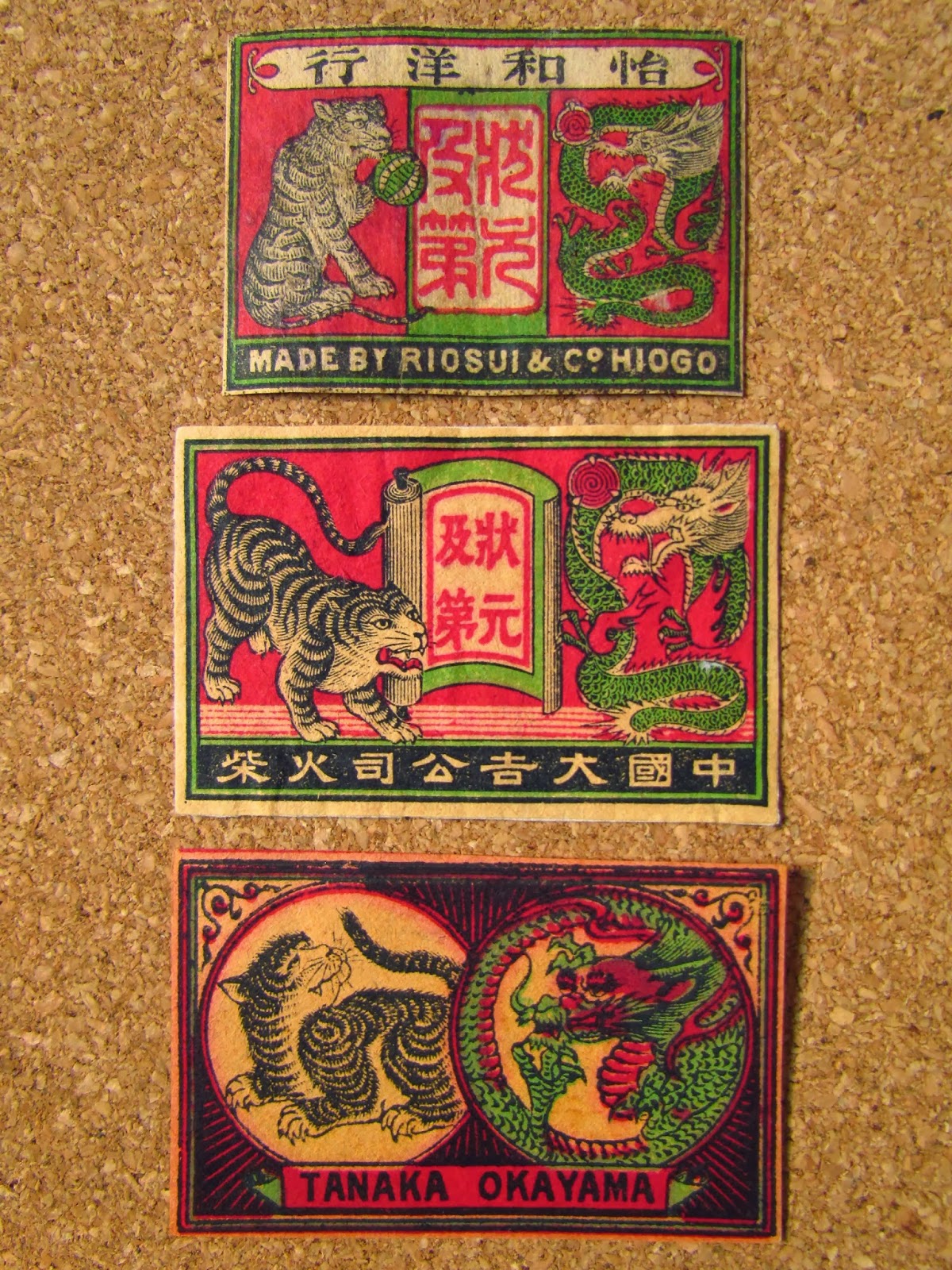
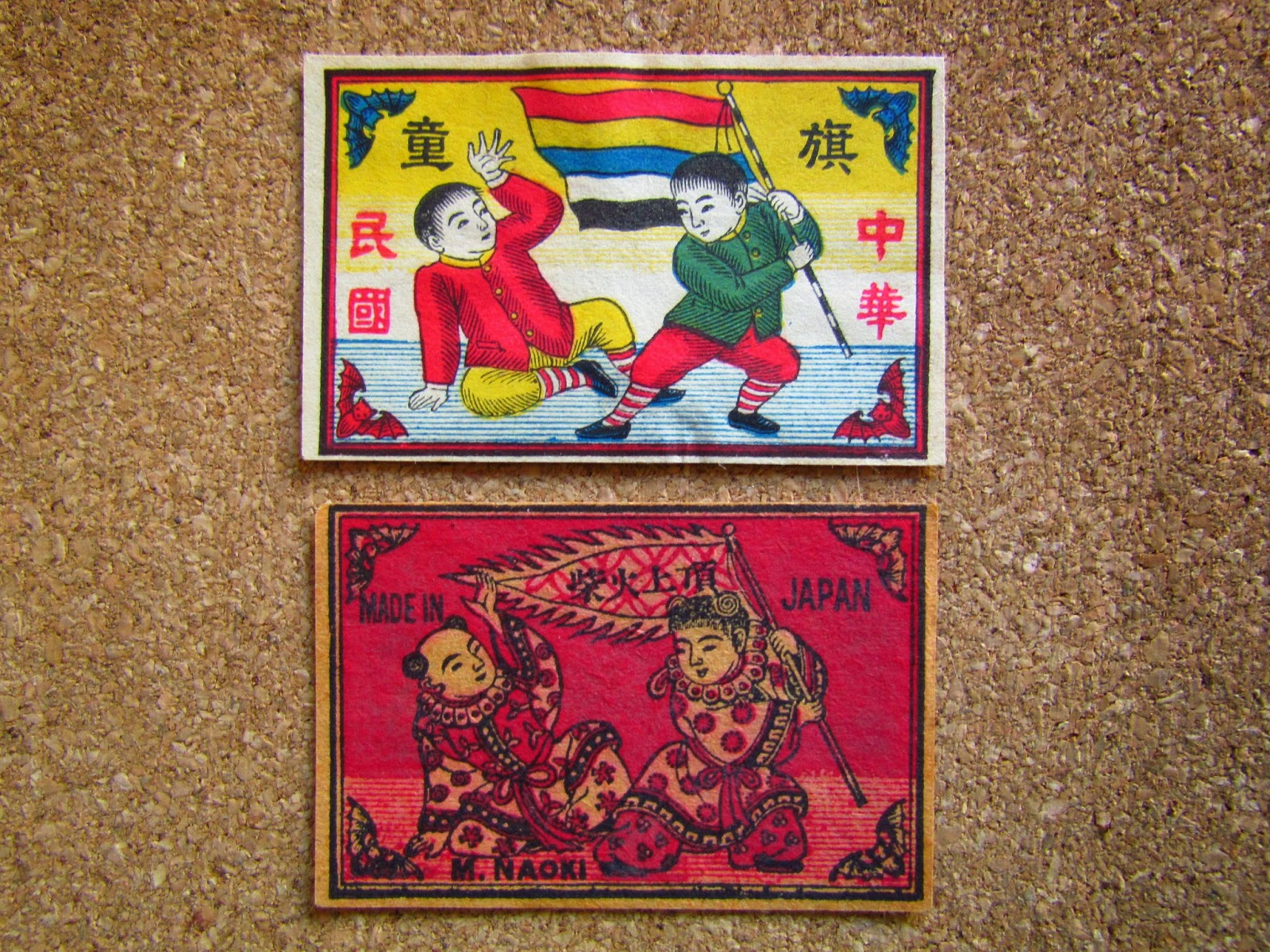
Unexpectedly some more "Find the differences" beautiful Japanese labels were add to my collection


"don't touch my balls"

"Don't touch my pearl !"

The Elephants Trainers 

"Help us ! We are stuck in those letters !"

Some childish labels of kids having fun

The hugest book ever seen

What a noise!  Stop these trumpets

This Santa is so heavy

When we grow up we will have a bigger ship

Golliwog - The Afro doll


The Golliwog 


Golliwog or golly was a black character in children's books in the late 19th century usually depicted as a type of rag doll. It was reproduced, both by commercial and hobby toy-makers as a children's toy called the "golliwog", and had great popularity in North America, Europe and Australia into the 1970s. The doll is characterised by black skin, eyes rimmed in white, clown lips and frizzy hair. While home-made golliwogs were sometimes female, the golliwog was generally male. For this reason, in the period following World War II, the golliwog was seen, along with the teddy bear, as a suitable soft toy for a young boy.

The image of the doll has become the subject of heated debate. While some see the golliwog as a cherished cultural artifact and childhood tradition, others argue that the golliwog is a destructive instance of racism against people of African descent, along with pickaninnies, minstrels, mammy figures, and other caricatures, and has been described as "the least known of the major anti-Black caricatures in the United States".[1] In recent years, changing political attitudes with regard to race have reduced the popularity and sales of golliwogs as toys. Manufacturers who have used golliwogs as a motif have either withdrawn them as an icon, or changed the name. In particular, the association of the golliwog with the pejorative term "wog" has resulted in use of alternative names such as "golly" and "golly doll"


Monday, November 4, 2013

A cute mistake - The Royal Chilren

I m they MITY king
I hav 5 Roya Chilren - 5 boy and 1 girls.
I tuk tham 2 take a fotograf of tham
I laik mai Chilren
Thay r vary qute
 

The colorful version with same mistake:
 
And the label with the right text:


Saturday, November 2, 2013

The Japanese war fan (and other look a like fans)

The Japanese war fan

Antique Japanese (samurai) Edo period gunsen war fan

A war fan is a fan designed for use in warfare. Several types of war fans were used by the samurai class of feudal Japan. Kunoichi (female ninja) used them also. They are also referred to as tessen (鉄扇, literally "iron fan(s)"). War fans were commonly used as surprise-weapons.  From Wikipedia, the free encyclopedia Read more...


Find the differences - The Human and Monkish Towers

2 boys on one head it's OK - but one more boy, is too much
A now days matchbox made of cardboard : 

"I can see our home sweet home from here..."

And another version of this Monkeys Tower (not mine):

Wednesday, October 30, 2013

The Japanese Warriors - themes associated with Wars, Military, Patriotism etc. are very popular among the collectors of Japanese labels


The Samurai

Samurai (侍?), usually referred to in Japanese as bushi (武士?, [bu͍ꜜ.ɕi̥]) or buke (武家?), were the military nobility of medieval and early-modern Japan. According to translator William Scott Wilson: "In Chinese, the character 侍 was originally a verb meaning to wait upon or accompany persons in the upper ranks of society, and this is also true of the original term in Japanese, saburau. In both countries the terms were nominalized to mean "those who serve in close attendance to the nobility," the pronunciation in Japanese changing to saburai. According to Wilson, an early reference to the word "samurai" appears in the Kokin Wakashū (905–914), the first imperial anthology of poems, completed in the first part of the 10th century (wikipedia - all right reserved).


The Japanese War Officers

How can an officer win the war with a baby in his hands?


Sunday, October 20, 2013

Just 4 more beautiful Ships labels...

A ship, a train and an airplane.
It sounds like a beginning of a nice song

"I see a ship" said the captain
(this label is too beautiful for not being a Japanese one,
 so it's probably a Japanese for export to Indonesia)

Every ship has it's own sea

This is the close view of the Captain (2 labels above)

Do you remember the race between the monkey and the train?

Read more: The Race

So I got one of the lovely labels in it:


Labels of the Hinamatsuri : The Japanese Doll Festival, or Girls Day


Hinamatsuri 
Doll's Day or Girls' Day, is a special day in Japan.  Hinamatsuri is celebrated each year on March 3. Platforms covered with a red carpet are used to display a set of ornamental dolls (雛人形 hina-ningyō) representing the Emperor, Empress, attendants, and musicians in traditional court dress of the Heian period. (from Wikipedia)
The custom dates from the Heian period (roughly 800~1200 AD) and emerged from a notion the dolls could protect one from–and thus “contain”–evil spirits. The “possessed” dolls were subsequently released in the rivers of Kyoto to float to the sea, taking their evil spirits along for the ride. (source: http://www.sse-franchise.com/soapbox/201203/03/the-japanese-doll-festival-or-girls-day/ )


Another beautiful Japanese Cannon label in my Cannon versions collection


This is a very odd label of a Chinese man who hanged on a Cannon with his mouth while holding a matchbox in his left hand and triggering the Cannon with a match - I have this little label, but I discovered 2 other versions of it.

Can some one tell me what's the mining behind it?

This is mine:

And these are 2 nice versions of it (not mine yet...):


The man in this one is very skilled to trigger the Cannon and to wave a fan while standing on a ball...

Some beautiful Patriotic and other themes "Find the differences" Japanese labels were added to my collection lately...


Thursday, October 17, 2013

looking for a good fish for Friday dinner

Manufacter: MingShen match factory
Date: Before 1925
Origin: China


Manufacter: MingShen match factory
Date: Before 1925Origin: China


Related Posts Plugin for WordPress, Blogger...